What Is PCOS?
Symptoms, Causes, Diagnosis and Treatment Explained
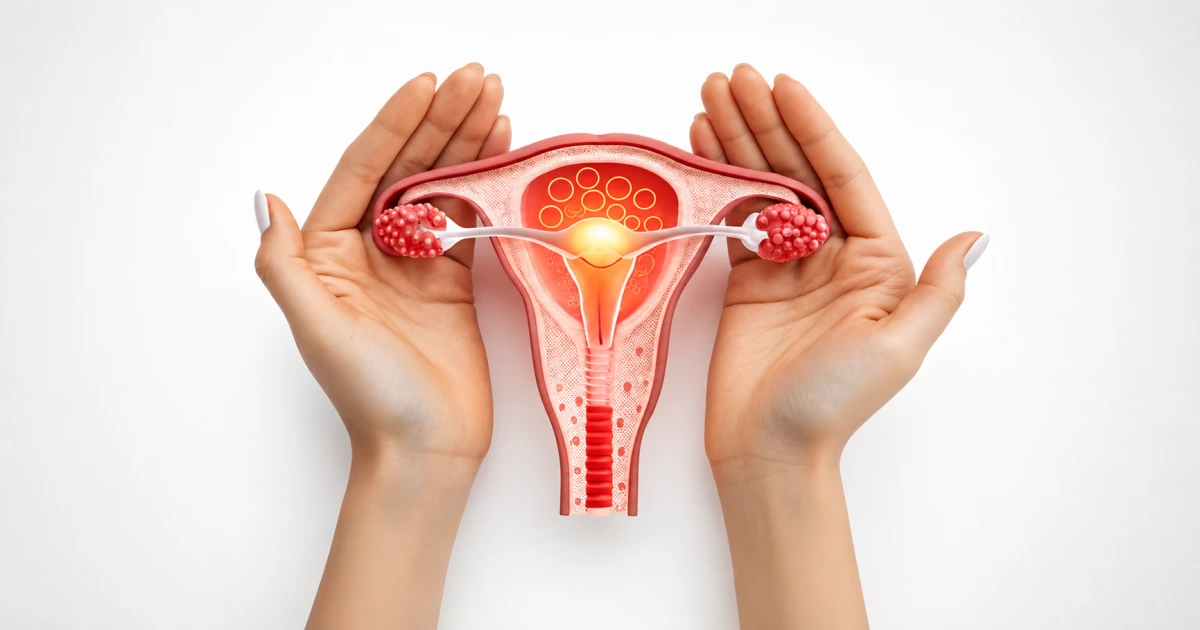
Polycystic Ovary Syndrome, commonly known as PCOS, is one of the most common hormonal and metabolic conditions affecting women of reproductive age. It can influence menstrual cycles, ovulation, skin health, hair growth, weight, insulin function, fertility, mental wellbeing and long-term metabolic health. 1
In May 2026, international experts announced a new name for PCOS: Polyendocrine Metabolic Ovarian Syndrome (PMOS). The change was made because the older name placed too much focus on “polycystic ovaries”, even though the condition is not only about ovarian cysts. PMOS better reflects the wider endocrine, metabolic, reproductive, skin and mental health impact of the condition. 2, 3
For readability, this guide uses PCOS throughout, because it remains the most familiar and commonly searched term among Indian women. However, PCOS and PMOS refer to the same condition.
Globally, PCOS affects an estimated 10–13% of women of reproductive age, and up to 70% of affected women may remain undiagnosed. 1 In India, diagnosis is often delayed because symptoms such as acne, facial hair, irregular periods, fatigue or weight changes may be treated as separate concerns instead of being recognised as connected signs of a hormonal and metabolic disorder.
Although PCOS cannot currently be “cured” in the traditional sense, it can be managed effectively with early diagnosis, medical care, sustainable lifestyle changes and regular monitoring. Timely management can help improve menstrual regularity, reduce androgen-related symptoms, support fertility and lower long-term risks such as type 2 diabetes, high cholesterol, cardiovascular disease, sleep apnoea and mental health concerns. 4
For women planning pregnancy, PCOS-related fertility concerns are important to understand early, because irregular or absent ovulation is one of the most common ways PCOS affects conception.
Quick Facts About PCOS
- PCOS affects around 10–13% of women of reproductive age worldwide. 1
- Up to 70% of women with PCOS may remain undiagnosed. 1
- PCOS is one of the most common causes of irregular ovulation and infertility. 1
- Not every woman with PCOS has ovarian cysts, and ovarian cysts alone are not enough for diagnosis. 4
- PCOS can affect metabolic, reproductive, skin, sleep and mental health. 4
- Lifestyle management, medical care and regular follow-up are central to long-term PCOS care. 4
What Is PCOS?
PCOS is a chronic hormonal and metabolic condition that affects how the ovaries work and how the body regulates reproductive and metabolic hormones. In a typical menstrual cycle, one egg matures and is released from the ovary through ovulation. In PCOS, ovulation may happen irregularly or may not happen at all, which can lead to delayed periods, missed periods, unpredictable bleeding or difficulty conceiving. 4
The condition is also linked with higher-than-usual androgen levels. Androgens are hormones such as testosterone, which are naturally present in women in smaller amounts. When androgen levels are higher, they may contribute to acne, oily skin, excessive facial or body hair and scalp hair thinning. 4
Another important feature of PCOS is insulin resistance. This means the body has difficulty using insulin effectively, which can lead to higher insulin levels. Over time, insulin resistance can worsen androgen imbalance, increase abdominal weight gain, affect ovulation and raise the risk of type 2 diabetes. 4
This is why PCOS is not just a “period problem” or a “fertility problem”. It is a whole-body condition that can affect skin, hair, metabolism, mood, sleep, fertility and long-term health.
Why Has PCOS Been Renamed PMOS?
The name “Polycystic Ovary Syndrome” has been used for decades, but it does not fully describe the condition. The word “polycystic” can be misleading because not every woman with PCOS has ovarian cysts. At the same time, some women may have polycystic-looking ovaries on ultrasound without having the full syndrome. 2, 4
The newer name, Polyendocrine Metabolic Ovarian Syndrome, highlights that the condition involves multiple endocrine and metabolic pathways, not only the ovaries. The name change was announced in May 2026 through an international effort involving researchers, clinicians and patient representatives. 2, 3
This change matters because it shifts the focus away from cysts alone and towards the real clinical picture: hormone imbalance, insulin resistance, ovulatory dysfunction, metabolic risk, skin symptoms, mental health and long-term wellbeing.
For patients, the most important takeaway is simple: whether your doctor says PCOS or PMOS, the condition needs a personalised plan that looks beyond symptoms and addresses the underlying hormonal and metabolic imbalance.
What Causes PCOS?
There is no single cause of PCOS. It develops through a combination of genetic, hormonal, metabolic, inflammatory and lifestyle-related factors. This is why symptoms can look very different from one woman to another. The broader question of what causes PCOS is best understood through the interaction between insulin resistance, androgen excess, ovulatory dysfunction, inflammation and genetic tendency.
1. Insulin Resistance
Insulin resistance is one of the most important drivers of PCOS. It means the body’s cells do not respond to insulin as effectively as they should. To compensate, the body produces more insulin. Higher insulin levels can then stimulate the ovaries to produce more androgens, which may disturb ovulation and worsen symptoms such as acne, facial hair and irregular periods. 4
This is also why nutrition in PCOS is not just about weight control. The real goal is to improve blood sugar stability, insulin sensitivity, inflammation and long-term metabolic health.
2. Higher Androgen Levels
Androgens are hormones such as testosterone and androstenedione. Women naturally produce them in smaller amounts, but in PCOS, androgen levels may be higher than usual. This can interfere with normal egg development and ovulation. It can also lead to visible symptoms such as persistent acne, oily skin, unwanted facial or body hair and scalp hair thinning. 4
These symptoms should not always be dismissed as cosmetic concerns. They can be clinical signs of androgen excess and may need proper hormonal evaluation.
3. Irregular Ovulation
Ovulation is the process where the ovary releases an egg during the menstrual cycle. In PCOS, ovulation may happen irregularly or may not happen at all. This can lead to long cycles, missed periods, unpredictable bleeding or difficulty conceiving. 4
Because ovulation is closely linked with fertility, women planning pregnancy should understand how fertility planning in PCOS is affected by cycle irregularity, insulin resistance and hormone imbalance.
4. Genetic Tendency
PCOS often runs in families. A woman may have a higher chance of developing it if her mother, sister or close female relatives have irregular periods, PCOS, type 2 diabetes, infertility or symptoms of androgen excess. Genetics alone may not explain every case, but they can influence how the ovaries, insulin pathways and hormone systems behave. 4
5. Chronic Low-Grade Inflammation
Many women with PCOS show signs of low-grade inflammation. This does not mean there is an infection. Instead, it refers to a persistent inflammatory state that may worsen insulin resistance, fatigue, metabolic imbalance and androgen excess. 4
Food quality, sleep, stress, physical activity, body composition and gut health may all influence inflammation.
6. Sleep, Stress and Lifestyle Patterns
Urban lifestyle patterns can worsen PCOS symptoms, especially in Indian women dealing with long work hours, late-night screen exposure, irregular meals, academic pressure, shift work and emotional stress. Poor sleep and chronic stress can affect cortisol, insulin, appetite, inflammation and ovulation.
This does not mean lifestyle “causes” PCOS by itself. Rather, lifestyle can influence how strongly the condition shows up and how difficult symptoms become to manage.
| Trigger | What happens in the body | Possible symptoms |
|---|---|---|
| Genetic tendency | Hormone and insulin pathways may be more sensitive | Symptoms may begin in teenage years or early adulthood |
| Insulin resistance | More insulin circulates in the blood | Weight gain, cravings, fatigue, higher diabetes risk |
| Higher insulin | Ovaries may produce more androgens | Acne, facial hair, scalp hair thinning |
| Higher androgens | Egg development and ovulation may be disturbed | Irregular periods, delayed periods, fertility difficulty |
| Low-grade inflammation | Metabolic and hormonal stress may increase | Fatigue, acne, weight gain, mood changes |
| Poor sleep or chronic stress | Cortisol and insulin balance may worsen | Cravings, abdominal weight gain, cycle disturbance |
PCOS is therefore not a matter of “poor lifestyle” or “lack of discipline”. It is a real endocrine-metabolic condition. Lifestyle changes help because they target the underlying pathways of insulin resistance, inflammation, sleep rhythm, stress response and hormone balance.
Symptoms of PCOS
PCOS symptoms can be obvious, subtle or confusing. Some women have multiple symptoms at once, while others may have only one or two signs for years. Symptoms may also change with age, stress, weight changes, pregnancy planning or lifestyle patterns.
According to the World Health Organization, PCOS commonly presents with irregular menstrual periods, abnormal ovulation, infertility, excess facial or body hair and acne. It is also a leading cause of anovulation and infertility worldwide. 1
1. Irregular or Missed Periods
Irregular periods are one of the most common signs of PCOS. Cycles may be longer than 35 days, unpredictable, very light, very heavy or absent for months. This usually happens because ovulation is irregular or absent. Persistent irregular periods in PCOS should not be ignored, especially if they continue for several cycles or appear along with acne, facial hair, weight changes or difficulty conceiving.
2. Acne and Oily Skin
PCOS-related acne is often hormonal. It may appear around the jawline, chin, lower cheeks, chest, back or shoulders. This acne may be deep, painful, persistent and less responsive to regular skincare products.
Because androgen excess can increase oil production in the skin, persistent acne may need both dermatological care and hormonal evaluation. 4
3. Excess Facial or Body Hair
Excess hair growth, also called hirsutism, usually appears in areas such as the chin, upper lip, chest, abdomen or back. It is caused by increased androgen activity at the hair follicles.
This symptom can affect confidence and emotional wellbeing, but it is also medically important because it may reflect underlying androgen imbalance.
4. Scalp Hair Thinning
Some women experience thinning hair on the scalp, especially around the crown or frontal hairline. This is known as androgenic alopecia. It may occur along with acne, facial hair or irregular periods.
Hair thinning in PCOS can be distressing, but early evaluation helps identify whether androgens, iron deficiency, thyroid imbalance, stress or nutritional gaps are contributing.
5. Weight Gain or Difficulty Losing Weight
Many women with PCOS gain weight more easily, especially around the abdomen. This is strongly linked to insulin resistance. However, not every woman with PCOS is overweight. Normal-weight or lean women can also have insulin resistance, androgen excess and ovulatory problems. The relationship between PCOS and weight gain is more complex than calories alone. Hormones, insulin resistance, inflammation, appetite regulation, sleep and stress can all influence how the body stores and loses weight.
6. Dark Skin Patches or Skin Tags
Dark, velvety patches around the neck, underarms, groin or skin folds may suggest insulin resistance. This condition is called acanthosis nigricans. Some women may also notice small skin tags.
These signs are not always present, but when they appear with irregular periods or weight gain, metabolic screening may be needed.
7. Fertility Difficulties
PCOS can make conception harder because ovulation may not occur regularly. However, PCOS does not mean a woman cannot get pregnant. Many women conceive naturally or with medical support once ovulation, insulin resistance and hormone balance are addressed. 1
The most important step is timely evaluation rather than waiting for years before seeking help.
8. Mood Changes, Anxiety, Low Energy and Poor Sleep
PCOS can affect mental wellbeing. Women may experience anxiety, low mood, fatigue, poor sleep, body image concerns or emotional distress. These are not “imagined” symptoms. International guidance recommends that PCOS care should address psychological, sleep, metabolic, reproductive and dermatological features together. 4
Types and Clinical Patterns of PCOS
Many websites describe “types” of PCOS such as insulin-resistant PCOS, inflammatory PCOS, adrenal PCOS or lean PCOS. These labels may be useful for explaining symptom patterns, but they are not the main diagnostic classification used in medical guidelines.
Clinically, PCOS is usually described using features from the Rotterdam criteria: ovulatory dysfunction, hyperandrogenism and polycystic ovarian morphology. In adults, diagnosis is generally based on the presence of at least two of these features, after excluding other similar conditions. 5
| Clinical pattern | Main features | What it may look like |
|---|---|---|
| Hyperandrogenic anovulatory PCOS | Irregular ovulation + high androgens | Irregular periods, acne, facial hair, fertility difficulty |
| PCOS with polycystic ovarian morphology | Ovarian follicle pattern on ultrasound + other criteria | Scan changes along with irregular periods or androgen signs |
| Ovulatory PCOS | Ovulation may still occur, but androgens or ovarian morphology may be abnormal | Periods may appear regular, but acne, facial hair or metabolic signs persist |
| Lean PCOS | Normal BMI with hormonal or metabolic features | Irregular periods, acne, fertility concerns, possible insulin resistance |
| Metabolic-dominant PCOS | Insulin resistance is more prominent | Abdominal weight gain, cravings, fatigue, dark skin patches, lipid or glucose changes |
The key point is that PCOS is not one fixed presentation. A woman may have irregular periods without weight gain, acne without cysts or fertility problems without obvious external symptoms. This is why diagnosis should be based on clinical evaluation rather than appearance alone.
How Is PCOS Diagnosed?
PCOS is not diagnosed through one single test. A doctor usually looks at your menstrual history, symptoms, physical signs, hormone levels and sometimes ultrasound findings before confirming the diagnosis.
In adults, the most widely used approach is based on the Rotterdam criteria, where at least two out of three key features are needed after ruling out other similar conditions. 4, 5
- Irregular ovulation or absent ovulation
- Clinical or biochemical hyperandrogenism
- Polycystic ovarian morphology
A complete evaluation of how PCOS is diagnosed in India becomes especially important because symptoms may be subtle, inconsistent or mistaken for routine lifestyle issues.
Tests Commonly Used to Diagnose PCOS
- Menstrual and symptom history
- Physical examination for acne, hair growth, weight, waist circumference and skin changes
- Hormonal blood tests such as testosterone, DHEAS, LH, FSH, prolactin and TSH
- Pelvic ultrasound, when needed
- AMH testing in selected adult cases
- Metabolic screening such as fasting glucose, HbA1c, insulin, lipid profile and blood pressure monitoring
Diagnosis should never be based on ultrasound alone.
PCOS Diagnosis in Teenagers
Diagnosing PCOS in teenagers needs extra caution. Irregular periods, acne and hormonal fluctuations are common during puberty, so doctors avoid diagnosing PCOS too early unless symptoms persist and meet specific criteria. Ultrasound and AMH are not recommended for diagnosing PCOS in adolescents because they may lead to overdiagnosis. 4
Treatment Options for PCOS
There is no single treatment plan for PCOS because symptoms, priorities, age, weight, fertility goals and metabolic risks differ from woman to woman. Treatment is usually personalised based on whether the main concern is irregular periods, acne, facial hair, weight gain, insulin resistance, fertility or long-term prevention. The aim of PCOS treatment options is not only to reduce symptoms, but also to improve ovulation, protect the uterine lining, support metabolic health and improve quality of life.
1. Lifestyle Management as First-Line Care
Lifestyle management is recommended for all women with PCOS, not only those who are overweight. A structured plan that includes nutrition, physical activity, sleep, stress management and weight monitoring can improve insulin sensitivity, reduce androgen levels, support ovulation and lower long-term health risks. 4, 7
Clinically backed lifestyle interventions for PCOS should be seen as part of treatment, not as a side suggestion.
2. Treatment for Irregular Periods
If periods are very irregular or absent for long periods, doctors may recommend hormonal treatment to regulate bleeding and protect the uterine lining. This is important because long gaps between periods can lead to prolonged unopposed oestrogen exposure, which may increase endometrial risk over time. 5
Depending on the patient’s needs, doctors may consider combined oral contraceptive pills, cyclic progesterone or hormonal intrauterine systems in selected cases.
3. Treatment for Acne, Facial Hair and Hair Thinning
Androgen-related symptoms may need both hormonal and dermatological care. Treatment may include hormonal therapy, anti-androgen medicines in selected women, acne treatments, laser hair reduction and gentle skincare.
Anti-androgen medicines should be used only under medical supervision and usually require reliable contraception because they may affect a developing male foetus if pregnancy occurs. 4
4. Treatment for Insulin Resistance and Metabolic Risk
Metformin may be recommended in women with PCOS, especially when there are metabolic concerns such as insulin resistance, high BMI, impaired glucose tolerance or increased risk of type 2 diabetes. It should be taken only when prescribed and monitored by a doctor. 4
5. Treatment for Fertility Concerns
PCOS is one of the most common causes of ovulatory infertility, but it does not mean pregnancy is impossible. Many women conceive naturally or with medical support once ovulation is restored and metabolic factors are addressed. 1
When ovulation induction is needed, international guidance recommends letrozole as the first-line pharmacological option for women with anovulatory PCOS and no other infertility factors. 4, 6
6. Supplements in PCOS
Supplements may help some women, but they should not replace diagnosis, medical care or lifestyle management. Commonly discussed supplements include inositol, vitamin D, omega-3 fatty acids, magnesium, B vitamins and antioxidants.
Supplements are most useful when they address a specific deficiency or clinical need, so they should be chosen with medical guidance rather than taken randomly.
7. Mental Health Support
PCOS can affect body image, self-esteem, anxiety, mood, sleep and quality of life. Psychological symptoms are not secondary or “less important”; they are part of the condition’s overall burden. 4
A complete PCOS plan should care for both physical and emotional health.
Lifestyle Changes That Help Manage PCOS
Lifestyle care is one of the strongest foundations of PCOS management. It is not about short-term dieting, overexercising or trying to “reverse” PCOS quickly. It is about building daily habits that improve insulin sensitivity, reduce inflammation, support ovulation, protect metabolic health and make symptoms easier to manage over time. 4, 7
1. Build a PCOS-Friendly Indian Diet
A balanced PCOS diet should focus on blood sugar stability, adequate protein, fibre, healthy fats and micronutrients. For Indian women, this does not mean giving up cultural foods. It means adjusting portions, combinations and cooking methods.
- Vegetables in every meal
- Dals, pulses, sprouts, eggs, paneer, tofu, fish or lean chicken for protein
- Millets such as ragi, bajra and jowar
- Low-glycaemic fruits such as guava, apple, orange, berries and pomegranate
- Nuts and seeds such as flaxseeds, pumpkin seeds, sesame seeds and almonds
- Fermented foods like curd or buttermilk, if tolerated
A culturally familiar Indian PCOS diet can support better insulin sensitivity when it reduces refined carbohydrates and increases fibre, protein and whole foods.
2. Avoid Restrictive and Crash Diets
Many women with PCOS try very low-calorie diets, detox plans or extreme fasting because weight loss feels difficult. This may work briefly, but it often worsens cravings, fatigue, mood swings and rebound weight gain.
Restrictive eating can also be harmful in lean PCOS, thyroid issues, eating disorder risk or women trying to conceive. A sustainable plan should improve metabolic health without making food feel like punishment.
3. Exercise for Insulin Sensitivity
Exercise is one of the most effective ways to improve insulin sensitivity in PCOS. It can help reduce insulin levels, lower androgen activity, support ovulation, improve body composition and improve mood. 4, 7
The most useful exercise for PCOS is the one a woman can continue consistently. For beginners, 10–15 minutes a day is a good start. Over time, the target can move towards 150 minutes of moderate-intensity activity per week, along with strength training two or more times weekly.
4. Focus on Weight Management, Not Weight Obsession
For women who are overweight, even a modest weight reduction can improve insulin sensitivity, ovulation, androgen levels and menstrual regularity. However, PCOS care should not be reduced to weight loss alone. 4
Some women have lean PCOS and do not need weight loss. Others may improve metabolic markers even before the weighing scale changes. This is why progress should also be tracked through cycle regularity, acne improvement, energy levels, waist circumference, cravings, sleep quality, fasting glucose, HbA1c, lipid profile and ovulation tracking if trying to conceive.
5. Improve Sleep Rhythm
Sleep affects insulin, cortisol, appetite hormones, inflammation and reproductive hormone rhythm. Poor sleep can worsen cravings, fatigue, weight gain, mood swings and irregular cycles.
PCOS-friendly sleep habits include sleeping and waking at consistent times, reducing screen exposure before bed, avoiding heavy meals late at night, limiting caffeine after evening, keeping the room dark and cool, and using a wind-down routine.
6. Manage Stress and Cortisol
Chronic stress can worsen cortisol levels, insulin resistance, inflammation and emotional eating. It may also disturb ovulation and make PCOS symptoms harder to manage.
Helpful stress-management practices include yoga, pranayama, walking, journaling, therapy, meditation, hobbies, structured rest and social support.
7. Track Progress Clinically
PCOS management works best when progress is tracked over time. Instead of relying only on symptoms, women should work with their doctor to monitor menstrual cycle pattern, blood pressure, weight, waist circumference, glucose, HbA1c, lipid profile, acne, hair growth, mood, sleep and fertility goals if relevant.
PCOS, Fertility and Pregnancy
PCOS is one of the most common causes of irregular ovulation, which means it can make conception more difficult for some women. However, PCOS does not mean that pregnancy is impossible. Many women with PCOS conceive naturally, while others may need ovulation support, metabolic care or assisted reproductive treatment depending on their age, cycle pattern, insulin resistance and partner-related factors. 1, 4
The main fertility challenge in PCOS is usually irregular or absent ovulation. If an egg is not released regularly, it becomes harder to predict the fertile window.
For women in their 30s, PCOS symptoms and fertility priorities may shift from acne or irregular periods towards ovulation, metabolic screening and pregnancy planning.
How PCOS Can Affect Fertility
- Irregular ovulation or anovulation
- Higher androgen levels affecting follicle development
- Insulin resistance influencing ovarian hormone signalling
- Weight gain or abdominal fat worsening metabolic imbalance
- Inflammation and oxidative stress
- Associated thyroid, prolactin or metabolic concerns
This does not mean every woman with PCOS will have fertility difficulty. Some women ovulate occasionally and conceive naturally. Others may need cycle tracking, lifestyle changes, ovulation induction or fertility specialist support.
When to Seek Fertility Evaluation
Women with regular cycles are generally advised to seek fertility evaluation after 12 months of trying if they are under 35, and after 6 months if they are 35 or older. However, women with PCOS and clearly irregular or absent periods may benefit from earlier evaluation because irregular ovulation can delay conception.
The male partner’s evaluation is also important because fertility care should not focus only on the woman.
PCOS and Pregnancy Risks
Once pregnant, women with PCOS may need closer monitoring because PCOS is associated with a higher risk of certain pregnancy complications, including gestational diabetes, high blood pressure in pregnancy, pre-eclampsia, preterm birth and higher birth weight concerns in some cases. 4
This does not mean every pregnancy with PCOS is high-risk, but it does mean preconception planning is important.
Long-Term Health Risks of PCOS
PCOS is not limited to periods, acne or fertility. It is a long-term endocrine-metabolic condition, which means its impact can continue across different stages of life. 4
The aim of PCOS management is therefore not only symptom control. It is also long-term prevention.
1. Type 2 Diabetes and Insulin Resistance
Women with PCOS have an increased risk of insulin resistance, impaired glucose tolerance and type 2 diabetes. The 2023 international guideline recommends reassessing glycaemic status every 1–3 years, depending on individual diabetes risk factors. 4
2. Cholesterol, Blood Pressure and Heart Health
PCOS is associated with increased cardiometabolic risk factors, including abnormal cholesterol levels, higher blood pressure, excess abdominal fat and insulin resistance. 4
Routine monitoring may include blood pressure, lipid profile, waist circumference, glucose, HbA1c, family history of diabetes or heart disease, and lifestyle status.
3. Fatty Liver Disease
Insulin resistance and abdominal weight gain can increase the risk of non-alcoholic fatty liver disease. Women with PCOS who have high triglycerides, abdominal weight gain, insulin resistance or abnormal liver enzymes may need liver screening based on medical advice.
4. Sleep Apnoea and Poor Sleep
Sleep disorders are more common in PCOS, especially when insulin resistance, weight gain, fatigue, snoring or daytime sleepiness are present. 4
Poor sleep can worsen cravings, cortisol levels, insulin resistance and mood symptoms, making PCOS harder to manage.
5. Anxiety, Depression and Body Image Concerns
PCOS is associated with higher rates of anxiety and depressive symptoms. The 2023 international guideline recommends screening for depressive and anxiety symptoms in all women with PCOS. 4
Mental health support should be part of PCOS care, not an afterthought.
6. Endometrial Health
When periods are absent for long stretches, the uterine lining may be exposed to prolonged unopposed oestrogen. This may increase the risk of endometrial hyperplasia and, over time, endometrial cancer in some women. The overall absolute risk remains low, but irregular or absent bleeding should still be addressed medically. 5
Women who go more than 90 days without a period should speak to a doctor, especially if this happens repeatedly.
Myths vs Facts About PCOS
Many myths about PCOS continue to delay diagnosis and make women blame themselves for symptoms that are actually linked to hormonal and metabolic changes.
| Myth | Fact |
|---|---|
| PCOS only affects overweight women. | Women with normal BMI can also have PCOS, including insulin resistance, irregular ovulation, acne or fertility concerns. |
| PCOS is just a period problem. | PCOS can affect metabolism, skin, hair, sleep, mood, fertility and long-term cardiometabolic health. |
| You must have ovarian cysts to have PCOS. | Ovarian cysts are not required for diagnosis, and ultrasound alone cannot confirm PCOS. |
| PCOS means you cannot get pregnant. | Many women with PCOS conceive naturally or with medical support. |
| Losing weight cures PCOS. | Weight loss may improve symptoms in women who are overweight, but PCOS is not permanently cured by weight loss. |
| Acne and facial hair are only cosmetic concerns. | They may be signs of androgen excess and should be evaluated if persistent. |
| PCOS disappears after marriage or childbirth. | Symptoms may change over time, but PCOS is a long-term condition that needs continued care. |
| Only gynaecologists manage PCOS. | PCOS care may involve gynaecologists, endocrinologists, dermatologists, dietitians, fertility specialists and mental health professionals. |
When Should You See a Doctor?
A doctor’s evaluation is important if you notice symptoms that are persistent, recurring or affecting your quality of life. PCOS is easier to manage when diagnosed early rather than after years of irregular cycles, untreated acne, weight changes or fertility difficulty.
- Cycles longer than 35 days
- Fewer than 8–9 periods in a year
- No period for 3 months or more
- Persistent acne, especially around the jawline or chin
- Excess facial hair on the upper lip, chin, chest, abdomen or back
- Scalp hair thinning
- Unexplained weight gain or difficulty losing weight
- Dark patches around the neck or underarms
- Difficulty conceiving
- Recurrent mood changes, anxiety, fatigue or sleep problems
- Family history of PCOS, type 2 diabetes or infertility
What to Ask Your Doctor
- Do my symptoms fit the diagnostic criteria for PCOS?
- Which tests do I need?
- Should I be screened for insulin resistance or diabetes?
- Do I need thyroid or prolactin testing?
- Is ultrasound necessary in my case?
- What are my options if I am trying to conceive?
- How often should I monitor blood sugar and cholesterol?
- What lifestyle changes are safe for my body type?
- Do I need treatment to protect my uterine lining?
- Should I see an endocrinologist, dermatologist or fertility specialist?
Good PCOS care should feel personalised. A woman with acne and regular cycles may need a different plan from someone with absent periods and insulin resistance, while someone trying to conceive may need a completely different approach.
Frequently Asked Questions About PCOS
What is PCOS?
PCOS is a hormonal and metabolic condition that affects ovulation, androgen levels, insulin function, skin, hair, fertility and long-term health. It is now being renamed PMOS to better reflect its endocrine and metabolic nature, but PCOS remains the more familiar and commonly searched term.
Is PCOS now called PMOS?
Yes. In 2026, international experts announced Polyendocrine Metabolic Ovarian Syndrome (PMOS) as the new name for PCOS. The new name reflects that the condition is not only about ovarian cysts, but also involves hormones, metabolism, reproductive health, skin, mental health and long-term wellbeing. 2, 3
What are the first signs of PCOS?
The first signs may include irregular periods, delayed periods, acne, oily skin, facial hair, weight gain, scalp hair thinning, fatigue, cravings or difficulty conceiving.
What causes PCOS?
There is no single cause. PCOS develops through a combination of genetic tendency, insulin resistance, higher androgen levels, irregular ovulation, inflammation and lifestyle-related triggers such as poor sleep, stress and irregular eating patterns. 4
Can PCOS be cured permanently?
There is currently no permanent cure for PCOS, but symptoms can be managed effectively. Lifestyle changes, medical treatment, fertility care and regular screening can reduce symptoms, improve ovulation and protect long-term health. 1, 4
How is PCOS diagnosed?
PCOS is usually diagnosed using clinical history, symptoms, blood tests and sometimes ultrasound. In adults, doctors commonly use the Rotterdam criteria, where two out of three features are needed: irregular ovulation, androgen excess or polycystic ovarian morphology after excluding similar conditions. 4, 5
Can PCOS be diagnosed without cysts?
Yes. Ovarian cysts are not required for diagnosis. Some women with PCOS have normal-looking ovaries, while some women with polycystic-looking ovaries do not have the full syndrome. 4
Can lean women have PCOS?
Yes. Normal-weight or lean women can have PCOS. They may still experience irregular periods, acne, facial hair, insulin resistance, inflammation and fertility concerns. Weight alone should never be used to rule out PCOS.
Does PCOS always cause infertility?
No. PCOS can make conception harder because ovulation may be irregular, but many women conceive naturally or with medical support. Early evaluation is useful, especially if periods are irregular or pregnancy has not occurred after several months of trying.
What is the best treatment for PCOS?
There is no single best treatment for everyone. Treatment depends on symptoms, age, fertility goals, insulin resistance, skin concerns, weight and long-term risks. A typical plan may include lifestyle management, cycle regulation, acne or hair treatment, metabolic care, supplements if needed and fertility support when pregnancy is planned.
Can lifestyle changes improve PCOS?
Yes. Lifestyle changes are considered first-line management for PCOS. A balanced diet, regular physical activity, sleep improvement, stress management and weight monitoring can improve insulin sensitivity, cycle regularity, androgen symptoms and long-term metabolic health. 4, 7
What foods should be avoided in PCOS?
There is no need to completely eliminate entire food groups unless medically advised. However, frequent intake of refined carbohydrates, sugary drinks, sweets, fried snacks, bakery foods and ultra-processed foods may worsen insulin resistance and cravings.
Is exercise necessary for PCOS?
Exercise is strongly helpful because it improves insulin sensitivity, supports ovulation, reduces cardiometabolic risk and improves mood. A mix of walking, strength training, yoga and moderate cardio is often sustainable for Indian women.
Can PCOS affect mental health?
Yes. Anxiety, depression, body image concerns, low mood and poor sleep are more common in PCOS. Emotional symptoms should be taken seriously and included in the treatment plan. 4
When should I get tested for PCOS?
You should consider testing if your periods are irregular, if you have acne or facial hair, if you are gaining weight without clear reason, or if you are finding it difficult to conceive. Testing is also important if there is a family history of PCOS, type 2 diabetes or infertility.
References
- World Health Organization. Polycystic ovary syndrome. View source
- Monash University. Polyendocrine Metabolic Ovarian Syndrome: New name to improve diagnosis and care of condition affecting 170 million women worldwide. View source
- Endocrine Society. Polyendocrine Metabolic Ovarian Syndrome: New name to improve diagnosis and care. View source
- Teede HJ, Tay CT, Laven JJE, et al. Recommendations from the 2023 International Evidence-based Guideline for the Assessment and Management of Polycystic Ovary Syndrome. The Journal of Clinical Endocrinology & Metabolism. View source
- Legro RS, Arslanian SA, Ehrmann DA, et al. Diagnosis and Treatment of Polycystic Ovary Syndrome: An Endocrine Society Clinical Practice Guideline. The Journal of Clinical Endocrinology & Metabolism. View source
- Legro RS, Brzyski RG, Diamond MP, et al. Letrozole versus Clomiphene for Infertility in the Polycystic Ovary Syndrome. New England Journal of Medicine. View source
- Cowan S, Lim S, Alycia C, et al. Lifestyle management in polycystic ovary syndrome. BMC Endocrine Disorders / PMC. View source